
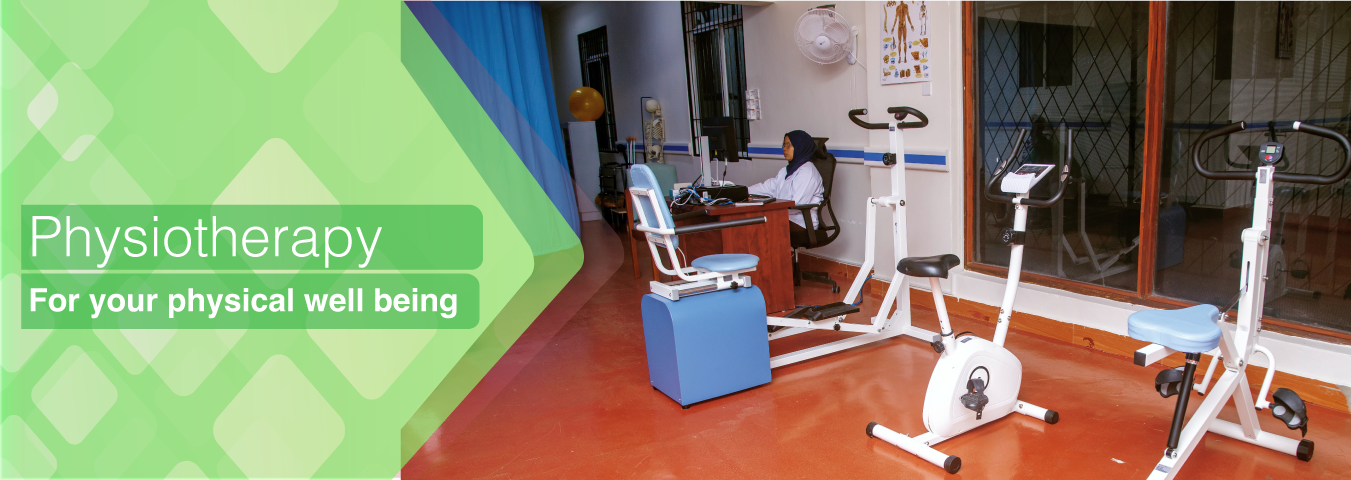
Physiotherapy is an allied health profession
Which uses mechanical forces, exercise therapy, and electrotherapy to develop, maintain and restore body movements by promoting mobility and function. It is the most ancient and most commonly prescribed treatment that assists in the recovery of many injuries and conditions. Physiotherapy can help people of all age as primary care; alongside or in conjunction with other medical services. The techniques used in physiotherapy today are believed to have evolved since the time of Hippocrates’ massages. Hippocrates used physiotherapy as a form of treatment to restore and maintain the body’s motor and functional abilities.
According to the WCPT (World Confederation for Physical Therapy), the area of health responsible for promoting, developing, maintaining and restoring people’s maximum movement and functional ability throughout their lives.
Physiotherapists are qualified professionals who work on muscle and joint disorders and help relieve pain, stiffness or injury with a variety of non-surgical techniques.
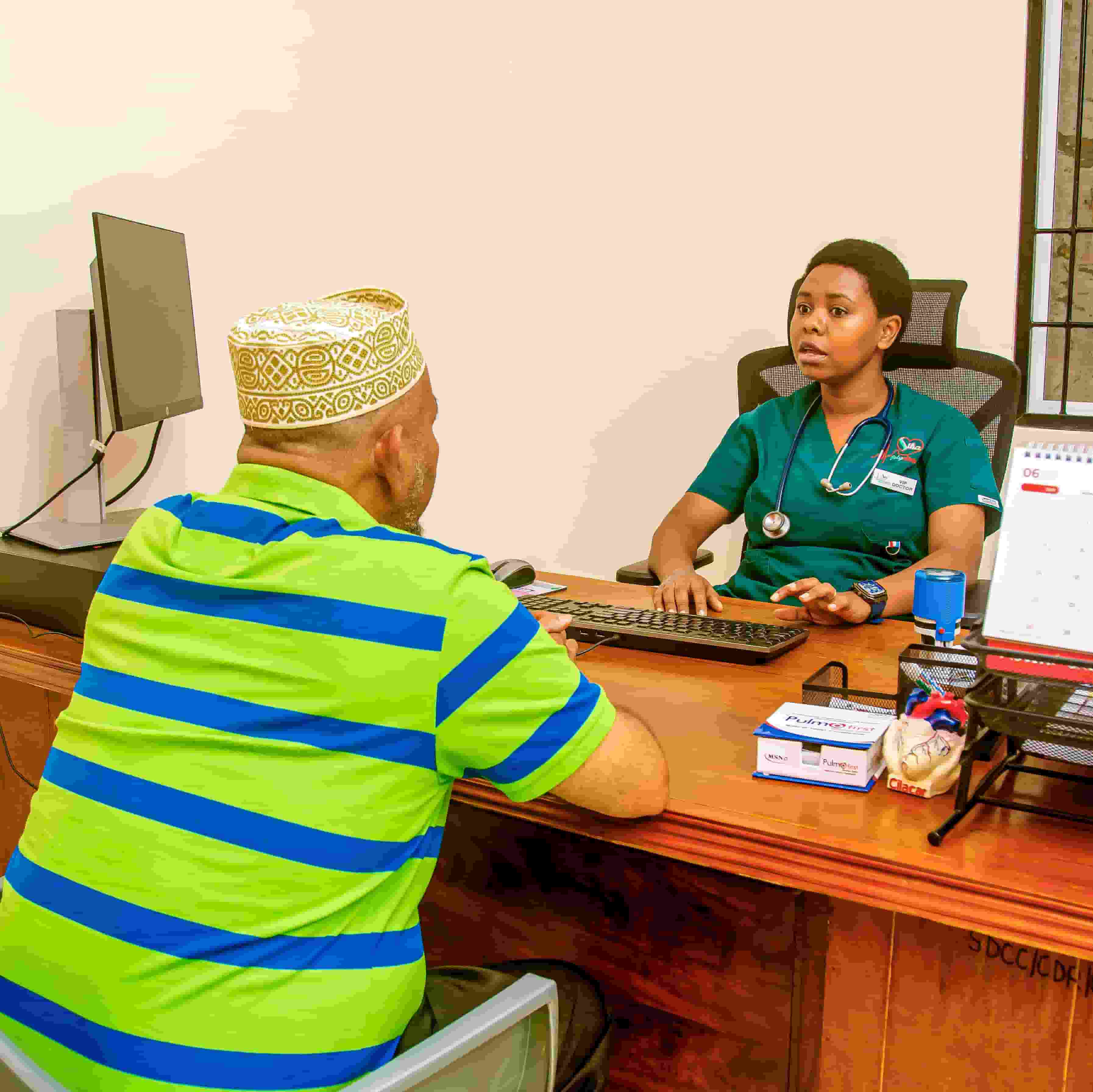
You may be referred to a physiotherapist most commonly by your physician or you orthopaedic doctor. Common conditions that are benefited by physiotherapy include neck or back pain, muscle tightness, injuries to muscles or joints, etc.

.png)



.png)
.jpg)
So, what is Ergonomic Evaluation?
It’s an assessment of employees and their workstations to ensure correct working postures and workstation set-up.
A good ergonomic assessment is done to reduce a worker’s exposure to physical hazards such as:
Uncomfortable postures
Repetitive tasks
Straining of the body